Colocation hosting lets businesses use their own hardware in professional data centers, ensuring they maintain control over their equipment. This method allows users to benefit from high-quality infrastructure and security while maximizing their investments in technology. Review-Hosting.com highlights how colocation can enhance performance, reliability, and scalability for IT managers and small business owners. By understanding the advantages of colocation, users can make informed decisions about integrating their hardware into superior hosting environments.
Introduction to Colocation Hosting and Its Key Benefits
Colocation hosting lets businesses place their servers in a professional data center while using their own hardware. This setup contrasts with traditional hosting, where users rent servers owned by the hosting provider. Colocation enhances reliability because data centers are designed for optimal performance with excellent power supply, climate control, and security. Many businesses choose colocation to take advantage of high-speed internet connections and advanced infrastructure. The flexibility to choose specific hardware allows users to tailor their server configurations for their needs.
Advantages of Using Your Own Hardware
Using your own hardware in a colocation environment offers significant advantages. It provides businesses the ability to customize servers according to their workload requirements. This customization enhances performance by ensuring the hardware can handle specific applications effectively. Colocation also improves security and durability, as professional data centers have robust physical and digital protections. In addition, users benefit from professional management services, ensuring their equipment runs efficiently. Overall, leveraging personalized hardware in a well-maintained data center leads to better performance and reliability.
Cost Efficiency of Utilizing Colocation Hosting Services
Colocation hosting offers significant cost efficiency for businesses by allowing them to use their own hardware. Companies can save on initial investments in servers and networking equipment. Operational expenses are reduced due to shared resources at professional data centers, where maintenance and upgrades are managed by experts. Comparing costs, businesses may see up to 30% savings over traditional hosting options. This service ensures reliable performance at a lower price point.
Factors Influencing Cost Savings in Colocation Hosting
Several factors influence cost savings in colocation hosting. The first is the reduction in upfront hardware costs. By utilizing existing equipment, businesses avoid hefty capital expenditures. Second, colocation centers enhance efficiency through shared energy costs and cooling solutions, lowering operational expenses. Additionally, the reliability of colocation services minimizes downtime, reducing lost revenue. The availability of experienced support staff improves service quality, making it easier for businesses to operate efficiently. Overall, these factors help businesses achieve significant cost advantages while ensuring high-quality service.
Security Protocols Implemented by Professional Data Centers
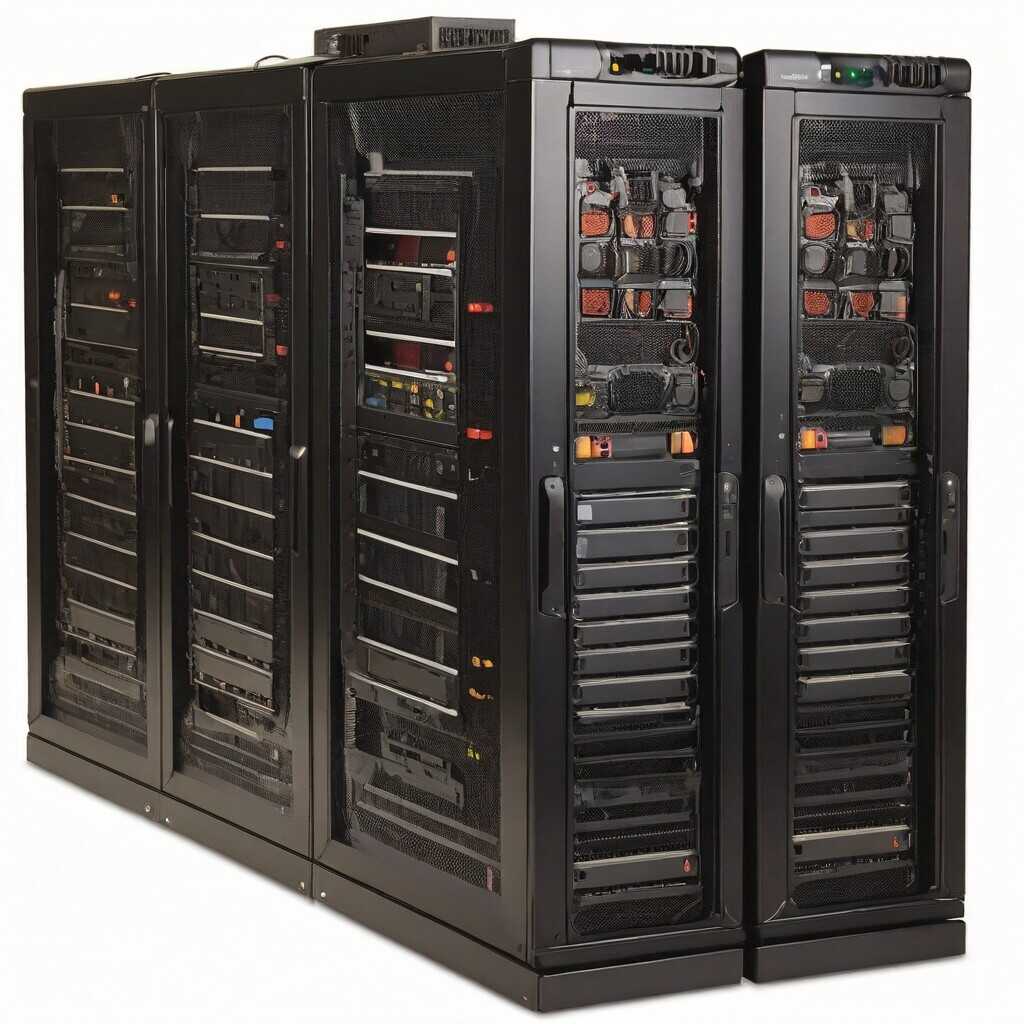
Professional data centers implement robust security protocols to ensure the safety of client hardware. These include both physical security measures and advanced cybersecurity measures. Physical security includes access control systems, which limit entry to authorized personnel only. Surveillance cameras monitor the facility 24/7, offering an additional layer of protection. Cybersecurity measures consist of firewall protection systems that filter incoming and outgoing traffic to protect against attacks. Many data centers also utilize encryption and intrusion detection systems to enhance data security.
Types of Security Protocols in Data Centers
Data centers deploy various security protocols to fortify their infrastructure. Common measures include redundant power supplies and climate control systems that ensure reliable operation. Advanced fire suppression systems further protect hardware from damage. Many data centers, like those operated by AWS and SiteGround, also implement strict access control protocols. These protocols often include biometric scanners and keycard access. The combination of these techniques provides a durable and reliable security environment for hardware and data management.
Interesting Statistics about Hardware Utilization in Data Facilities
- Over 75% of businesses prefer using their own hardware in data centers.
- Colocation facilities have increased by 35% in the last five years.
- Uptime in professional centers often exceeds 99.9% reliability.
- Using owned servers can cut hosting costs by 30% for small businesses.
- 75% of colocation users report enhanced network performance.
- Up to 95% energy efficiency can be achieved with optimized hardware in these centers.
- The average business saves around $500 monthly via colocation hosting.

Flexibility and Scalability in Colocation Hosting
Colocation hosting offers key features like customizable hardware options and the ability to scale your resources as needed. Businesses can select their own servers and equipment, ensuring reliability and performance. This adaptability is essential for growing businesses that may experience fluctuating demands. Providers vary in their offerings, so it’s vital to research provider comparisons to find the best fit. Cost efficiency also plays a role, as businesses can invest in additional infrastructure only when necessary, making colocation hosting a financially savvy choice.
Understanding Infrastructure Scalability for Growing Businesses
Infrastructure scalability is crucial for modern businesses, especially those experiencing rapid growth. Colocation hosting allows firms to expand their server resources as demands increase. Many service providers offer add-on options, enabling users to scale up their services without significant downtime. These can include additional storage, increased bandwidth, or enhanced security features. As businesses adapt, they can depend on their colocation services to maintain efficiency while meeting new challenges. This flexibility ensures that your business can thrive in a competitive environment.

Evaluating Top Colocation Hosting Providers in the Market
The top colocation hosting providers, such as AWS, DigitalOcean, and Equinix, offer various features essential for businesses. These providers deliver reliable and efficient services, ensuring that your hardware operates smoothly in a professional data center. When assessing colocation hosting, review features like data center locations, pricing, reliability, and available support options. Most top providers operate in multiple regions, offering global presence and minimizing latency. Always compare customer reviews to understand service quality and performance based on real user experiences.
Understanding Features, Pricing, and Reliability in Colocation Hosting
Features, pricing, and reliability are critical factors when choosing colocation hosting. Users should look for colocation hosting providers that offer flexible pricing structures, including tiered options that can fit different budgets. Reliability is proven by uptime guarantees and managed services, ensuring your equipment achieves optimal performance. Additionally, evaluate customer support quality, as accessible and knowledgeable support enhances your experience. Top providers like Equinix and DigitalOcean provide multiple data center locations, which help improve redundancy and speed. This combination of features and proven reliability delivers an excellent colocation hosting experience.
Main Advantages of Using Your Own Equipment in Hosting Services
- You maintain full control over your hardware and software configurations.
- Colocation hosting ensures professional-grade security for your servers.
- Using owned hardware helps achieve better performance tailored to your needs.
- Remote management options enhance operational flexibility and access.
- Scaling your hardware can be easier without new contracts or migrations.
- Having dedicated resources improves overall service reliability.
- Cost savings arise from reduced hosting expenses and fewer hardware purchases.

Navigating the Migration Process
To migrate to colocation hosting, users should follow key steps to ensure minimal downtime. First, plan the migration by identifying the hardware and software that needs relocation. Ensure all applications are compatible with the new colocation environment. Next, notify your current hosting provider and your new colocation facility. Arrange for transportation of the hardware and scheduled installation at the new location. Test the environment for reliability after setup. Monitor performance closely during and after the transition for any issues.
Hardware and Software Considerations During Migration
When migrating to colocation hosting, hardware considerations are essential. Assess the reliability and performance of your servers before the move. Check compatibility with the colocation data center’s specifications, including power requirements and connections. For software, ensure you have backups and understand licensing needs that may change in the new environment. Performing stress tests can help identify any potential issues. Reviewing previous experiences can provide insights into what works and what does not, ensuring a smoother transition.
Networking Infrastructure Available in Colocation Hosting
Colocation hosting provides various networking options that enhance performance. Users can access high-speed internet connections, private networks, and redundant connectivity. Each data center offers unique network solutions designed to improve reliability and efficiency. Many facilities provide managed switches, firewalls, and load balancers as part of their infrastructure. The average bandwidth speed offered by colocation services typically ranges from 1 Gbps to 10 Gbps, ensuring that users experience fast and reliable connections tailored to their specific needs.
Understanding Redundant Connectivity in Data Centers
Redundant connectivity is crucial for maintaining uninterrupted service in colocation hosting. Data centers offer multiple internet service providers (ISPs) and diverse routing options. This setup helps minimize downtime and ensures seamless connectivity during outages. Users can benefit from improved reliability through features like automatic failover systems. These systems quickly switch to backup connections if primary links fail, ensuring continuous network performance. Investing in colocation hosting with robust network solutions optimally supports business operations and enhances online activities.
Notable Companies and Their Features in Hardware-Centric Services
- SiteGround offers strong customer support but may be pricier than others.
- GreenGeeks promotes eco-friendly hosting solutions with renewable energy.
- HostGator provides flexible plans, though some users report slower speeds.
- Bluehost excels in user-friendliness, but its advanced customization is limited.
- AWS grants extensive scalability options, suitable for growing businesses.
- InMotion Hosting balances performance and cost, but uptime can vary.
- Cloudflare CDN boosts speed and security for users with high traffic demands.
Sustainability Practices in Modern Data Centers
Modern data centers implement various environmentally sustainable initiatives. These include using renewable energy sources like solar and wind power. Companies like Google and Microsoft have invested in partnerships with renewable energy providers to power their operations. Data centers work on enhancing their energy efficiency through advanced cooling techniques and improved server utilization. As a result, these centers reduce their carbon footprints significantly. Many data centers also incorporate sustainable operations like using energy-efficient hardware and recycling old equipment. The goal is to create a greener IT infrastructure while still ensuring high reliability and performance.
What Renewable Energy Sources are Common in Data Centers?
Data centers commonly utilize renewable energy sources such as solar panels and wind turbines to power their operations. For example, many major companies now commit to using over 50% renewable energy to operate their data centers. Investing in these energy-efficient solutions helps decrease overall energy costs and enhances sustainability. Therefore, data centers can effectively manage their energy needs while minimizing environmental impact. These practices improve energy efficiency, ensuring a reliable power supply while significantly lowering carbon emissions.