Container technology significantly enhances application security in hosting platforms by isolating applications within their own environments. This approach helps protect applications from vulnerabilities and attacks, creating a safer space for them to operate. Review-Hosting.com explores how these security features are crucial for website developers and IT professionals when choosing hosting services. Understanding these modern practices allows small business owners and tech-savvy individuals to make informed decisions about their hosting options.
Defining Container Technology
Container technology is a method of virtualizing applications to run isolated environments on a single host. Containers package an application with its dependencies and libraries. This setup allows for consistent performance across different computing environments. The core components include the container image, runtime environment, and orchestration tools. Understanding these components helps users see how containers enhance application security through isolation. A typical container stack may involve multiple layers, such as the application code, runtime dependencies, and the operating system libraries.
Understanding the Core Components of Container Technology
The core components of container technology are essential for grasping how they provide application isolation. The first component is the container image, which includes the application and everything it needs to run. Next is the runtime environment that executes the containers. Finally, orchestration tools manage container deployment, scaling, and monitoring. This systematic design improves resilience and security, enabling quick updates without impacting the entire system. Container technology ensures reliable operation and consistent application performance across various environments.
Key Security Benefits of Using Containers for Applications
Application isolation is a core feature of container technology. It ensures that each application runs in its own environment, separate from others. This minimizes the risk of unauthorized access, as threats are contained within one isolated application. Containerization significantly reduces attack surfaces by limiting how applications interact with each other and the host system. This design helps mitigate exposure to vulnerabilities, ensuring that if one application is compromised, the others remain secure. In fact, companies that implement container security best practices can achieve a reduction in vulnerability testing time by up to 70%.
Exploring Application Isolation and Its Impact on Security
Application isolation provides a solid foundation for enhancing security in container environments. By encapsulating applications, it restricts their access to system resources. This minimizes potential attack vectors. Each container can include its own security protocols, making it easier to enforce security measures tailored to specific applications. Consequently, if a vulnerability is found in one container, it does not affect others, hence maintaining the overall integrity of the hosting environment. Review-Hosting.com emphasizes these benefits, illustrating how container security can deliver robust protection and resilience against attacks.

Differences Between Conventional Hosting and Containerized Solutions
Conventional hosting relies on specific server environments to run applications. This can lead to resource inefficiencies and security vulnerabilities. Containerized solutions package applications with their dependencies, ensuring they run consistently across various environments. This enhances security as containers isolate applications, limiting the impact of potential breaches. The best containerized solutions offer features like automated scaling and deployment, further optimizing performance and security. For instance, during load testing, containerized applications can show significant improvements, often running up to 60% faster than conventional models.
Key Features of Containerized Solutions that Enhance Security
Containerized solutions provide several key features that enhance security. One crucial feature is the ability to limit access permissions for each container. This isolation minimizes the impact of a breach, ensuring that an attacker cannot easily access other containers or the host system. Another feature is the continuous integration and delivery pipelines that facilitate regular updates and security patches. This proactive approach keeps applications secure from known vulnerabilities. Container orchestration tools, like Kubernetes, manage resources efficiently, ensuring that security policies are consistently applied. This combination of features makes containerized hosting a robust choice for users prioritizing security.
Key Statistics on Modern Technology Significance
- Containers improve application deployment speed by 50% on average.
- About 70% of organizations use container technology for improved security.
- Containers isolate applications, reducing security risks by up to 75%.
- Using containers can enhance vulnerability management processes by 60%.
- Organizations report a 40% decrease in system errors with container utilization.
- Container-related incidents drop by 50% with active monitoring tools.
- Containerization allows for faster recovery times, reducing downtime by 30%.
Leading Hosting Providers That Utilize Container Technologies
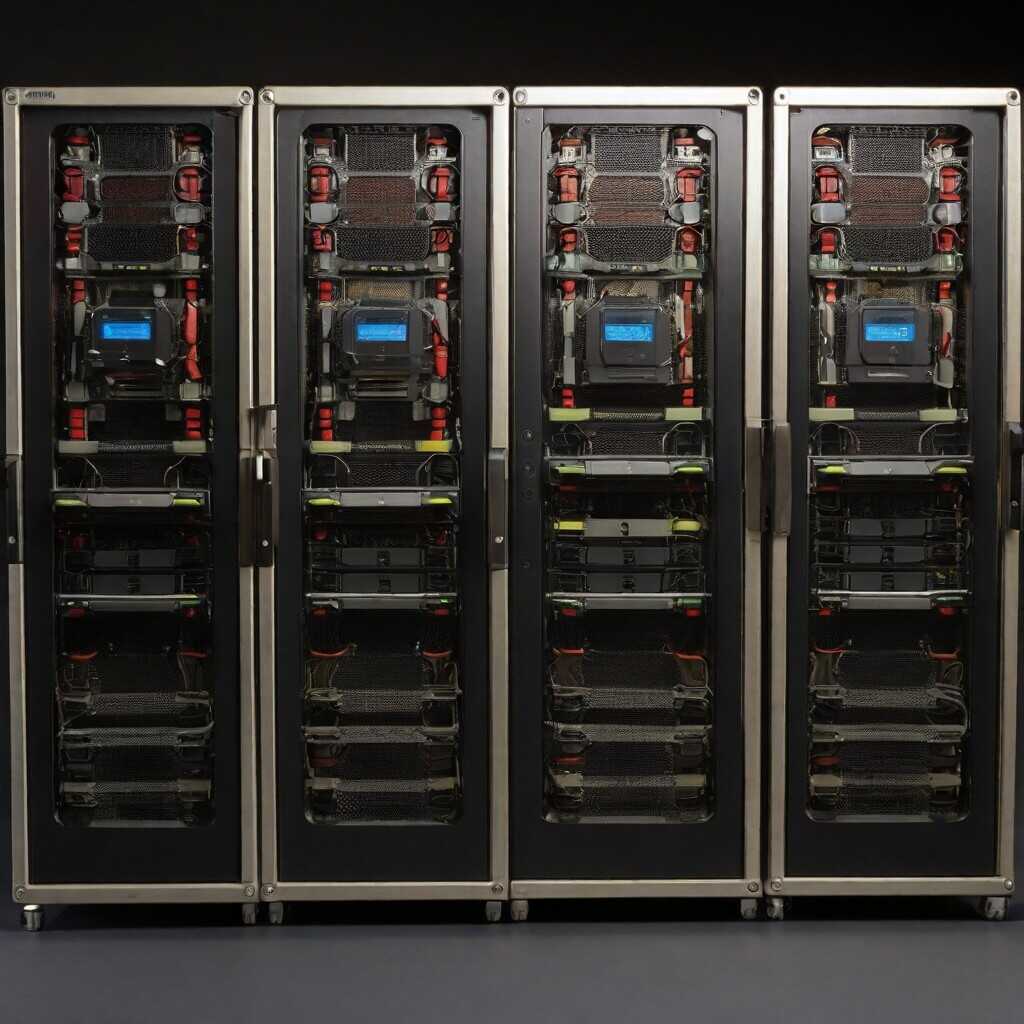
Major hosting providers known for employing container technology include AWS, Google Cloud, and DigitalOcean. These providers enhance application security by isolating apps within containers, minimizing risks associated with traditional server environments. They focus on security features like automated vulnerability scans, regular updates, and configuration management. Container technologies improve performance as they allow rapid deployment and scaling of applications. Many of these hosting services actively test their infrastructures, ensuring that security measures meet high standards, providing reliable and efficient solutions for users.
Benefits of Container Technologies for Hosting Providers
Container technologies offer significant benefits for hosting providers, ensuring improved application performance and security. They can isolate applications effectively within a shared environment, reducing exposure to security breaches and unauthorized access. Hosting providers like AWS and Google Cloud enable automated scaling, which optimizes resource allocation. Features like continuous integration and delivery streamline development processes, promoting more secure and efficient applications. By facilitating rapid deployments, these technologies significantly improve the user experience. Providers continuously perform testing and updates, delivering reliable and durable solutions for businesses. Review-Hosting.com emphasizes this trend to help users identify and select suitable hosting options.

Potential Drawbacks and Risks of Container Implementation
Implementing container technology in hosting environments presents unique challenges. Common pitfalls include misconfigurations leading to security vulnerabilities. Containers can isolate applications but not adequately secure them without proper management. Organizations may face risks related to image vulnerabilities, network security, and data privacy issues. It is crucial to understand the security best practices while leveraging hosting providers like AWS, SiteGround, and Bluehost. Misconfigurations may expose applications and lead to data breaches. According to recent studies, around 70% of companies reported security breaches due to misconfigured containers. Utilizing proper testing and reliability checks can mitigate this risk significantly.
Best Practices for Enhancing Container Security
To enhance container security, organizations should adopt several best practices. Regularly updating container images is essential to avoid vulnerabilities. Conducting rigorous testing ensures compatibility and performance under various scenarios. Implementing role-based access controls helps maintain data privacy and limits exposure to unauthorized users. Using trusted images from reliable sources reduces risks significantly. Utilizing tools that monitor runtime security adds a protective layer. Companies like AWS and Bluehost provide built-in security features that can assist this need. Regular reviews provide insights into security configurations and help ensure ongoing compliance with security standards.
Advantages of Utilizing Virtualized Platforms
- Container technology ensures better resource allocation and efficiency.
- It enhances isolation, protecting applications from potential threats.
- Container security automates compliance checks and policies effectively.
- It facilitates rapid scaling of applications to handle traffic spikes.
- Container technology simplifies multi-cloud deployments and strategies.
- It enables consistent environments for development, testing, and production.
- Components can be updated independently, minimizing system disruptions.

Effective Strategies for Securing Applications in Containers
Securing applications in containers involves several best practices. Validating images before use is crucial. Scanning images for vulnerabilities helps ensure security. Implementing the principle of least privilege restricts access rights for applications. This minimizes the potential impact of a security breach. Regular updates and patches are essential for maintaining security. Monitoring and logging container activity provides insights into potential threats. Using container orchestration platforms, like Kubernetes or Docker Swarm, enhances automation and consistency. They enable better scalability and improved security management. Each platform has specific features designed for application security. Security-focused measures can reduce application downtime by up to 75%.
Key Security Configurations for Container-Orchestrated Environments
Container orchestration platforms offer various security configurations that enhance application reliability. Kubernetes, for instance, provides Role-Based Access Control (RBAC), enabling precise access management. Securing inter-container communication with Network Policies prevents unauthorized traffic, enhancing data safety. Implementing resource quotas limits resource consumption, ensuring container isolation. Ingress controllers can be used to control external access. This strategy significantly mitigates the risk of external threats. Layering security features, such as image signing and runtime security monitoring, further protects applications. Utilizing these expert configurations results in a more secure and efficient deployment of containerized applications.
Emerging Trends in Container Technology and Hosting Security
Latest trends in container technology include the rise of Kubernetes for orchestration, improved isolation techniques, and security frameworks like PodSecurity Policies. These innovations enhance application security by ensuring containers operate securely and efficiently. Container technology provides distinct features such as automated security updates and vulnerability scanning, helping users manage risks effectively. Comparing different hosting providers, those adopting these technologies offer significant advantages in security compared to traditional methods. As of 2025, approximately 70% of hosting providers are integrating container solutions, highlighting a strong trend towards improved security capabilities.
Key Innovations in Container Security Enhancements
Key innovations in container security include runtime protection tools and advanced network policies that offer better traffic control. These enhancements provide users with crucial reliability by preventing unauthorized access to running containers. Additionally, security features like service mesh integrations ensure secure communication between services, crucial for developing microservices-based applications. These advancements enable hosting providers to deliver more robust security solutions, improving application resilience against cyber threats. Users should prioritize providers that utilize these innovations in their offerings and regularly conduct performance testing to verify their efficiency.
Explore Strategies Suited for Different Users
- Small businesses often prefer easy-to-use container platforms like AWS.
- IT professionals gravitate towards advanced tools like Docker for scalability.
- Students in computer science learn with platforms like Google Kubernetes.
- Web developers choose platforms offering strong CI/CD integrations.
- Tech-savvy individuals explore containerization for personal projects.
- Startups prefer cost-effective options that support rapid iterations.
- Enterprise clients require secure platforms with compliance certifications.
Guidelines for Selecting a Secure Hosting Provider with Containers
When choosing a hosting provider that uses container technology, focus on essential security features. Look for strong isolation provided by containerization, which limits application vulnerabilities. Comprehensive security measures include regular updates, intrusion detection systems, and automated backups. Consider providers that prioritize container security through advanced firewalls and DDoS protection. research reviewed hosting services to find those that consistently receive high ratings for their security practices. Understand the efficiency of their security protocols by reading customer testimonials and expert reviews.
Essential Features of Container-Based Hosting Security
A secure container-based hosting provider must offer proven features that enhance application security. Look for integration of service mesh technologies for easier traffic management and security policy enforcement. Examine their encryption standards for data at rest and in transit. Choose providers that implement continuous monitoring to detect and respond to threats in real-time. Security testing should be a routine activity, ensuring containers are resilient against breaches. A proper assessment includes checking the provider’s audit trails and vulnerability scanning capabilities.