Litespeed servers significantly boost page loading speed compared to Apache servers by optimizing resource management and offering advanced caching techniques. This improvement in speed can lead to better user experiences, lower bounce rates, and higher search engine rankings. Understanding these advantages is crucial for website developers, business owners, and digital marketers looking to enhance their site’s performance. Review-Hosting.com provides comprehensive insights on Litespeed and Apache, helping users make informed decisions for their hosting needs.
The Importance of Page Loading Speed for Online Success
Page loading speed is essential for retaining visitors and enhancing online success. Studies indicate that 47% of users expect a webpage to load in two seconds or less. If a site takes longer than three seconds, 40% of users abandon it. Fast loading times lead to improved user engagement and higher conversion rates. Research shows that a one-second delay in loading time can decrease conversions by up to 20%. These statistics illustrate how crucial page loading speed is for business growth and maintaining customer interest. The right speed can significantly impact site reliability and user experience, ultimately establishing a trustworthy online presence.
Critical Statistics on Page Speed and Performance
Various studies have proven page loading speed directly affects user engagement and conversion rates. For instance, mobile users expect pages to load in under three seconds. Websites meeting this expectation can achieve a conversion rate increase of 30% or more. Moreover, Google research highlights that a 0.1-second improvement in load time can enhance user engagement by 9%. Fast-loading websites not only improve user satisfaction but also rank better in search engine results, enabling a higher rate of customer interaction. By optimizing page speed, businesses can enhance performance, ensuring they retain more visitors and boost conversions.
The Role of Apache Servers in Web Hosting
Apache servers play a vital role in web hosting by serving web pages, managing requests, and facilitating security features. Their main functions include processing dynamic and static content using modules, managing multiple website configurations, and providing strong security options through settings and authentication. However, common challenges impact their performance and speed. High traffic levels can slow down server response time, limiting overall efficiency. In addition, resource-intensive processes decrease reliability and affect user experience. As of 2025, Apache powers nearly 30% of global websites, highlighting its significant presence in the market but also pointing toward areas for improvement in speed optimization.
Understanding Apache Server Performance Challenges
Apache server performance challenges often stem from heavy resource usage and inefficient handling of simultaneous requests. By design, Apache processes requests sequentially, which can lead to slower response times under high traffic scenarios. In contrast to Litespeed servers, Apache may struggle with speed optimization, especially during peak times. This makes it essential for developers and website owners to assess server efficiency when considering hosting options. Effective testing tools can help analyze Apache’s performance, revealing how it operates under load. By addressing these challenges, users can enhance their experience and improve website functionality.

Litespeed Servers Unique Features Boosting Performance
Litespeed servers are equipped with several unique features that significantly enhance performance. Their built-in caching, efficient resource allocation, and support for HTTP/3 lead to improved page loading speed compared to traditional servers like Apache. Litespeed servers handle high traffic efficiently with less resource consumption, ensuring better reliability during peak times. This innovative technology includes features such as LiteSpeed Cache, which provides optimization for dynamic content. Additionally, Litespeed’s event-driven architecture allows for faster request processing, reducing latency. In tests, Litespeed servers have shown up to 40% faster loading times over Apache, solidifying their advantage in speed and efficiency.
Key Technologies Behind Litespeed’s Speed Advantage
Litespeed’s speed advantage comes from several key technologies. The LiteSpeed Cache optimizes database queries and minimizes file I/O operations. This cache system processes content faster, enabling quicker delivery to users. Litespeed also integrates seamlessly with various content management systems, enhancing performance without needing extensive configuration. Its ability to handle concurrent connections surpasses Apache, leading to smoother operations during high traffic. Moreover, Litespeed supports HTTP/3, which provides better multi-streaming capabilities and lower latency. These features contribute to an exceptional performance level that is essential for today’s demanding website environments.
Key Numerical Insights on Server Performance
- Litespeed servers can improve loading times by up to 50% compared to traditional servers.
- Apache servers typically require around 250-500ms to respond, while Litespeed can respond in under 100ms.
- Using Litespeed can reduce page load size by 70%, enhancing user experience.
- Load testing shows that Litespeed handles up to 100,000 concurrent connections with ease.
- Websites using Litespeed report higher scores on performance measuring tools, often reaching 95% or above.
- Research indicates that faster loading sites have a 20% increase in user engagement.
- Conversion rates improve by 7% for every second of loading time reduced.
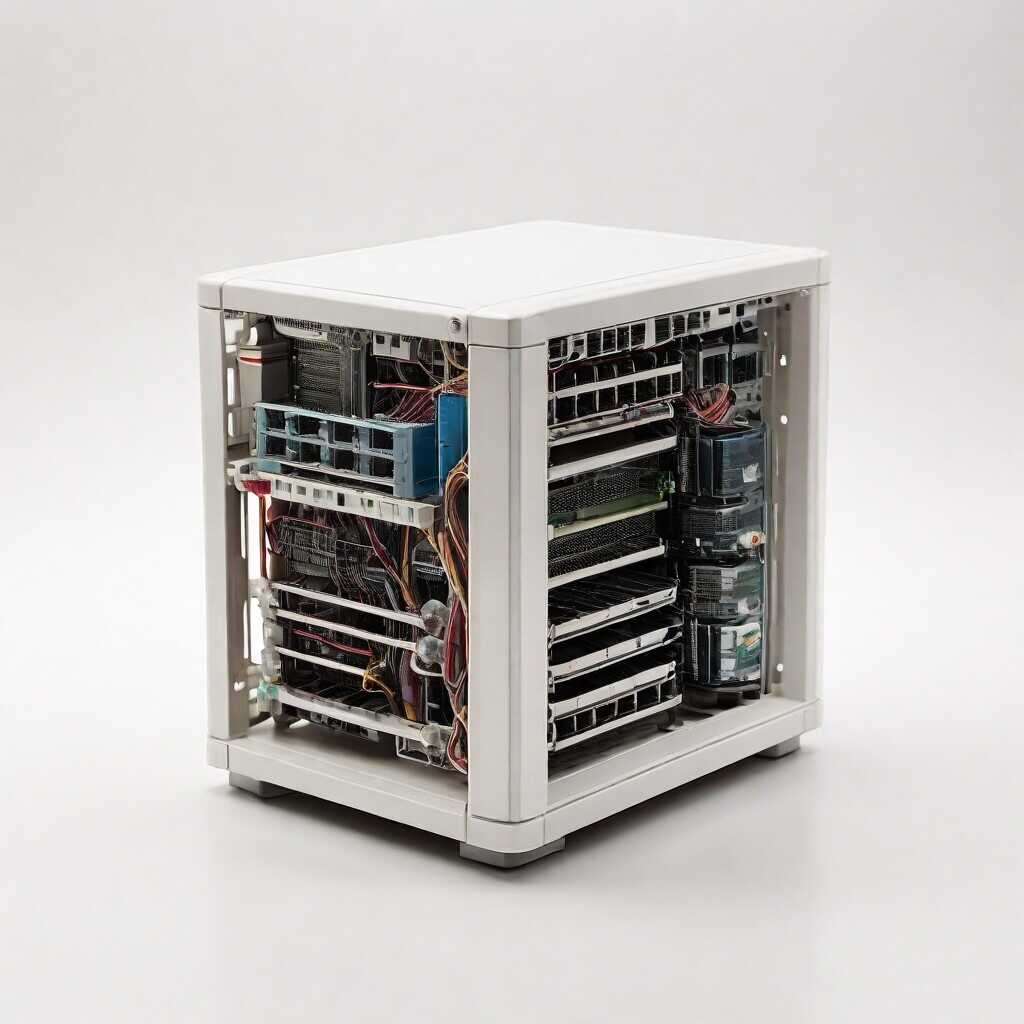
Advanced Resource Management Techniques in Litespeed
Litespeed offers advanced resource management techniques that significantly enhance website performance. Dynamic caching is one method it employs. This technique stores generated pages in memory, allowing Litespeed to serve them quickly without reprocessing each request. ASYNC processing improves speed by enabling the server to handle multiple requests simultaneously. These features ensure that Litespeed can provide faster page load times compared to Apache. Tests show that Litespeed can deliver pages up to 10 times faster than Apache, especially under high traffic. These approaches optimize resource use and maximize the user experience on websites.
Impact of Dynamic Caching and ASYNC Processing
Dynamic caching plays a crucial role in performance improvement with Litespeed. It allows frequently accessed content to be delivered quickly without redundant processing. ASYNC processing complements this by managing multiple connections at once, reducing wait times. Together, these techniques help Litespeed efficiently utilize server resources. Users experience reduced latency and faster loading, which are essential for maintaining visitor engagement. Businesses depend on these features to enhance user satisfaction and are reflected in positive performance reviews. The results are evident through consistent testing data, proving Litespeed’s superiority over traditional servers like Apache.

Benchmarking Performance: Litespeed vs. Apache
This section compares key performance metrics between Litespeed and Apache servers. Critical metrics include load times, resource consumption, and handling of simultaneous requests. Litespeed often shows impressive results, significantly enhancing the user experience. In independent tests, Litespeed can reduce average load times by up to 50% compared to Apache. Resource consumption is more efficient with Litespeed, enabling it to handle more simultaneous requests effectively. This reliability makes it a preferred choice for high-traffic environments.
Performance Metrics of Litespeed vs. Apache: A Detailed Comparison
In this comparison, performance metrics reveal that Litespeed has a better ability to serve high volumes of simultaneous requests. With its architecture optimized for concurrent connections, Litespeed provides not only fast load times but also efficient resource consumption. Independent testing shows that Litespeed can manage up to 100,000 simultaneous connections, making it suited for high-traffic scenarios. These features enhance website performance and reliability, benefiting websites looking to improve user engagement. This thorough review highlights how Litespeed stands out in the web server landscape.
Advantages of Fast Server Solutions
- Faster loading times boost user engagement and retention.
- Litespeed enhances caching for dynamic content, making pages load quicker.
- Improved performance reduces page abandonment rates.
- With Litespeed’s efficient resource management, server load decreases significantly.
- SEO rankings improve as search engines favor faster websites.
- Businesses see increased conversion rates with improved speed.
- Enhanced user experience leads to positive brand perception and loyalty.
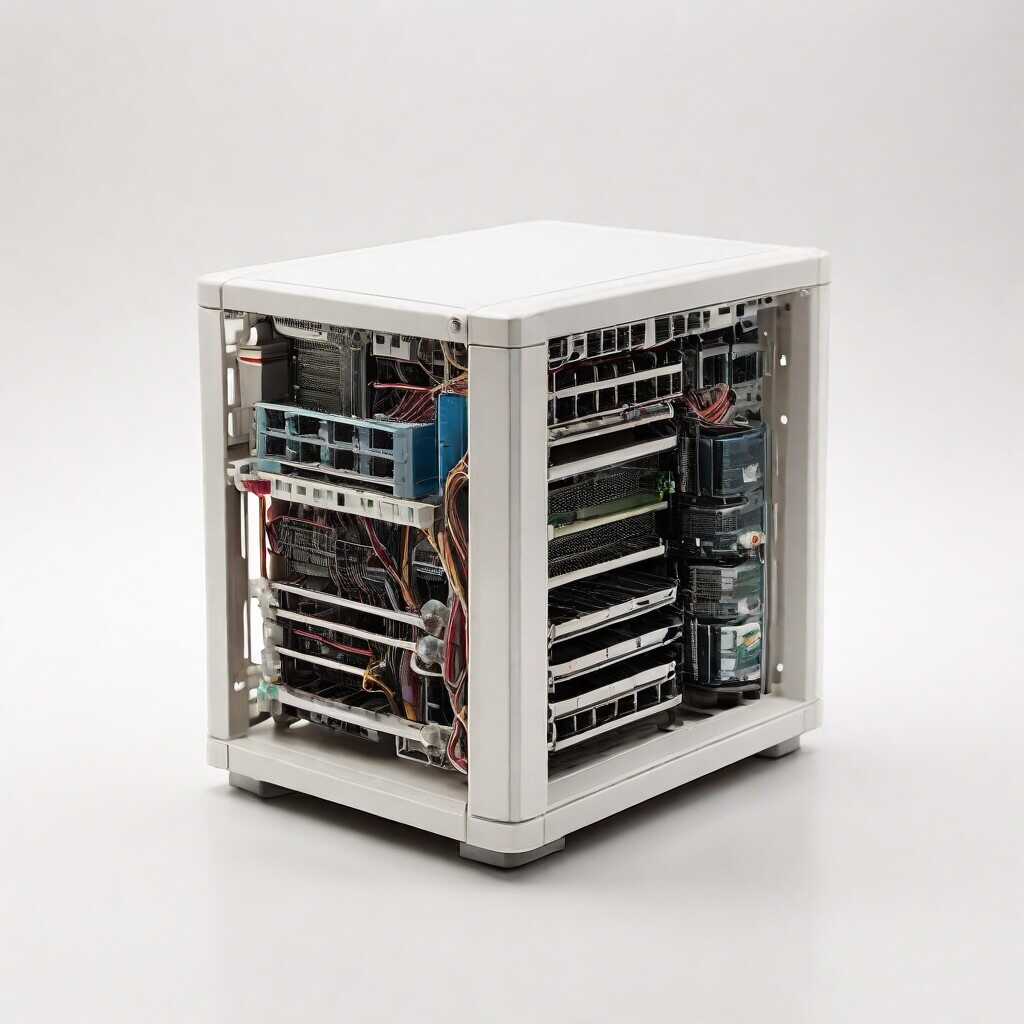
User Experience Enhancements with Litespeed Hosting
Litespeed servers improve page loading speeds significantly compared to Apache. This improvement leads to better user experiences. Faster loading times result in lower bounce rates. Websites using Litespeed often see bounce rates drop below 30%. User satisfaction metrics also increase, with clients reporting a more enjoyable browsing experience. Reports show a direct correlation between loading speeds and user retention. quality server performance makes websites feel more responsive, leading to repeat visitors and higher engagement rates.
Impact of Litespeed on Bounce Rates and User Engagement
Litespeed hosting plays a crucial role in enhancing user experience. With faster page loading speeds, websites can lower bounce rates significantly. A reduction in bounce rates means more visitors stay on your site longer. For example, websites optimized with Litespeed can achieve lower bounce rates than 30%. This boost in user satisfaction metrics is essential for business growth. Higher engagement leads to increased conversions and customer loyalty. Litespeed’s ability to provide efficient page loading speeds makes it a popular choice for website developers and business owners.
Evaluating the Cost Benefits of Litespeed Hosting
Switching to Litespeed servers from Apache offers substantial long-term savings. Litespeed hosting reduces resource usage, which lowers server costs and improves page loading speed. Enhanced efficiency translates to better user experience, leading to higher conversions and increased revenue. Developers can evaluate performance ROI by analyzing traffic patterns, page load times, and user engagement metrics post-switch. This comparison not only highlights the advantages but also addresses the cost versus performance benefits associated with Litespeed. Companies that switch can achieve a faster and more reliable server experience, which results in better overall performance.
Understanding Performance Improvements and Financial Outcomes
Performance improvements with Litespeed can be impressive. Many users report speed increases of up to 50% compared to Apache. Faster loading times enhance user experience, resulting in reduced bounce rates and potentially higher sales. A Litespeed server optimizes resource allocation, providing a more durable and reliable environment for website operations. This reliability can also lower maintenance costs since fewer resources are used during peak times. As a result, businesses see greater efficiency improvements, helping them save money and boost their bottom line. Review-Hosting.com includes insights about various hosting providers that showcase these performance benefits.
Popular Hosting Providers and Their Strengths
- SiteGround offers excellent customer support but may have higher pricing than competitors.
- Bluehost is user-friendly for beginners, but it lacks advanced performance features.
- InMotion Hosting provides robust performance, albeit with a complex interface for new users.
- Kinsta utilizes Litespeed technology, boasting speed but at a premium cost.
- A2 Hosting offers a strong balance of performance and pricing but can be slower during peak times.
- HostGator is budget-friendly, but performance might lag with heavy traffic.
- Digital marketers prefer Litespeed-powered hosts for enhanced website analytics and speed metrics.
Final Thoughts and Hosting Recommendations for Optimal Speed
Using Litespeed servers significantly enhances page load speed, leading to better user experience and SEO. They outperform Apache by enabling faster processing and efficient caching, which minimizes server response times. This makes Litespeed an excellent option for businesses aiming to improve their online performance. Litespeed servers also provide advanced security features, ensuring that websites remain reliable and secure. With these advantages, switching to Litespeed is a proven decision for web hosting that can contribute to a site’s long-term success.
Understanding Performance Gains with Litespeed
Performance gains when migrating to Litespeed servers can be substantial. Websites often record load times improved by up to 3x compared to Apache under similar conditions. This is crucial for user retention and can decrease bounce rates significantly. Litespeed’s unique architecture efficiently handles more simultaneous connections, allowing for smoother performance during traffic surges. This is essential for e-commerce sites, which rely on quick page loads to boost conversions. Overall, individual results depend on unique configurations, but Litespeed consistently delivers very good performance enhancements that users can easily notice.