Custom hosting solutions are specialized server environments designed specifically for legacy applications requiring older operating systems, databases, or software configurations. These solutions typically include dedicated servers running Windows Server 2003-2012, Linux distributions like CentOS 6, or mainframe emulators, with providers like AWS EC2, IBM Cloud, and specialized legacy hosting companies offering monthly plans ranging from $200-2000 depending on resource requirements and support levels.
Understanding Custom Hosting Solutions for Legacy Applications
Custom hosting solutions differ fundamentally from standard shared or VPS hosting by providing complete control over the operating environment. Legacy applications often require specific versions of programming languages (like PHP 5.x, Java 6, or .NET Framework 2.0), database systems (Oracle 9i, SQL Server 2008), or runtime environments that modern hosting platforms no longer support. These specialized hosting environments maintain compatibility through virtualization technologies, containerization, or dedicated hardware that preserves the exact configurations legacy applications need to function properly.
Key Components of Legacy Application Hosting
The architecture of custom hosting for legacy systems typically includes several critical components. First, the infrastructure layer provides either physical servers or virtual machines configured with the required operating system version. Second, the middleware layer maintains specific application servers, database management systems, and runtime environments. Third, the security layer implements firewalls, intrusion detection systems, and patch management strategies adapted for older software vulnerabilities. Finally, the support layer offers specialized expertise in maintaining and troubleshooting legacy technologies.
Essential Features and Technical Requirements
Effective custom hosting solutions must address several technical requirements unique to legacy applications. Operating system compatibility remains paramount, as many legacy applications depend on specific OS versions with particular service packs or kernel configurations. Database compatibility requires supporting older database engines with their original connection protocols and query optimizations. Network protocols may include outdated standards like NetBIOS or IPX/SPX that modern networks typically don’t support. Additionally, hardware emulation might be necessary for applications expecting specific CPU architectures or peripheral devices.
Security Considerations for Legacy Environments
Security in legacy hosting environments presents unique challenges because older applications often lack modern security features. Custom hosting providers implement compensating controls including network segmentation to isolate legacy systems, application-layer firewalls configured for older protocols, regular vulnerability scanning adapted for legacy software, and strict access controls. Some providers offer virtual patching services that protect known vulnerabilities when official patches are no longer available. These security measures typically add complexity and cost but remain essential for protecting sensitive data in legacy systems.
Selecting the Right Custom Hosting Provider
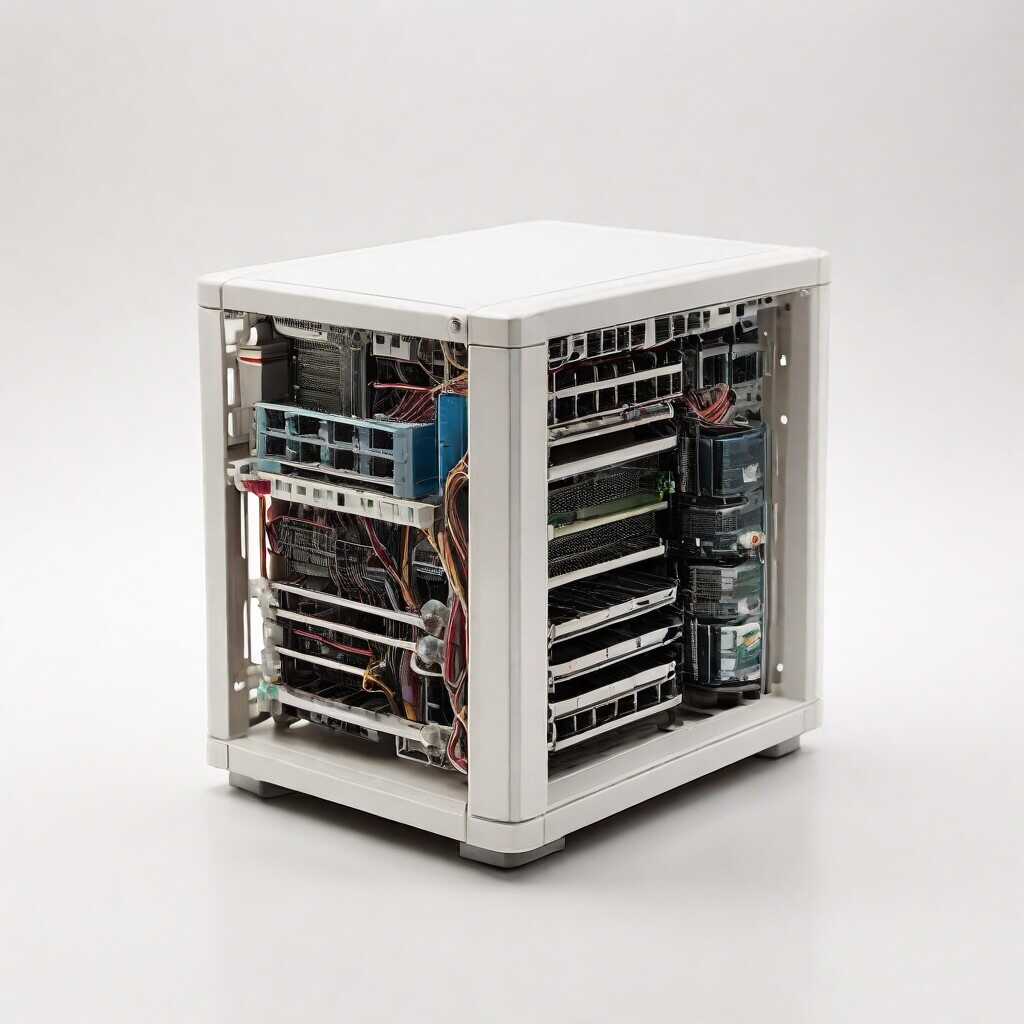
Choosing a custom hosting provider for legacy applications requires evaluating several critical factors beyond standard hosting considerations. Technical expertise in legacy systems proves essential, as providers must understand older technologies and their quirks. Support availability becomes crucial since legacy systems often require specialized troubleshooting that general support teams cannot provide. Migration capabilities matter when transferring legacy applications from on-premises servers or other hosting environments. Compliance certifications may be necessary for industries with regulatory requirements affecting data retention and system controls.
Provider Evaluation Criteria
When evaluating custom hosting providers, organizations should assess specific capabilities related to legacy support. The provider’s track record with similar legacy environments indicates their ability to handle your specific requirements. Infrastructure flexibility shows whether they can accommodate unique configurations or hardware requirements. Backup and disaster recovery procedures must account for legacy data formats and application states. Service level agreements should specify uptime guarantees and support response times for legacy-specific issues, which often differ from standard hosting SLAs.
Environment Compatibility and Migration Challenges
Environment compatibility extends beyond simply matching operating system versions to encompass the entire application ecosystem. Legacy applications often depend on specific library versions, registry settings, file system structures, or environmental variables that must be precisely replicated. Migration challenges include data format conversions when moving between different database versions, application code modifications to address deprecated functions, and testing procedures to verify functionality in the new environment. Successful migrations typically require detailed planning phases, pilot testing with subset data, and rollback procedures.
Common Compatibility Issues and Solutions
Organizations frequently encounter several compatibility challenges when implementing custom hosting for legacy applications. Character encoding differences between old and new systems can corrupt data during migration. Time zone handling often differs between legacy and modern systems, affecting date calculations. File path conventions may need translation between operating systems. API versioning conflicts arise when legacy applications expect specific web service behaviors. Solutions include compatibility layers that translate between old and new standards, wrapper services that adapt modern APIs to legacy expectations, and data transformation tools that handle encoding conversions.
Comparing Standard and Custom Hosting Options
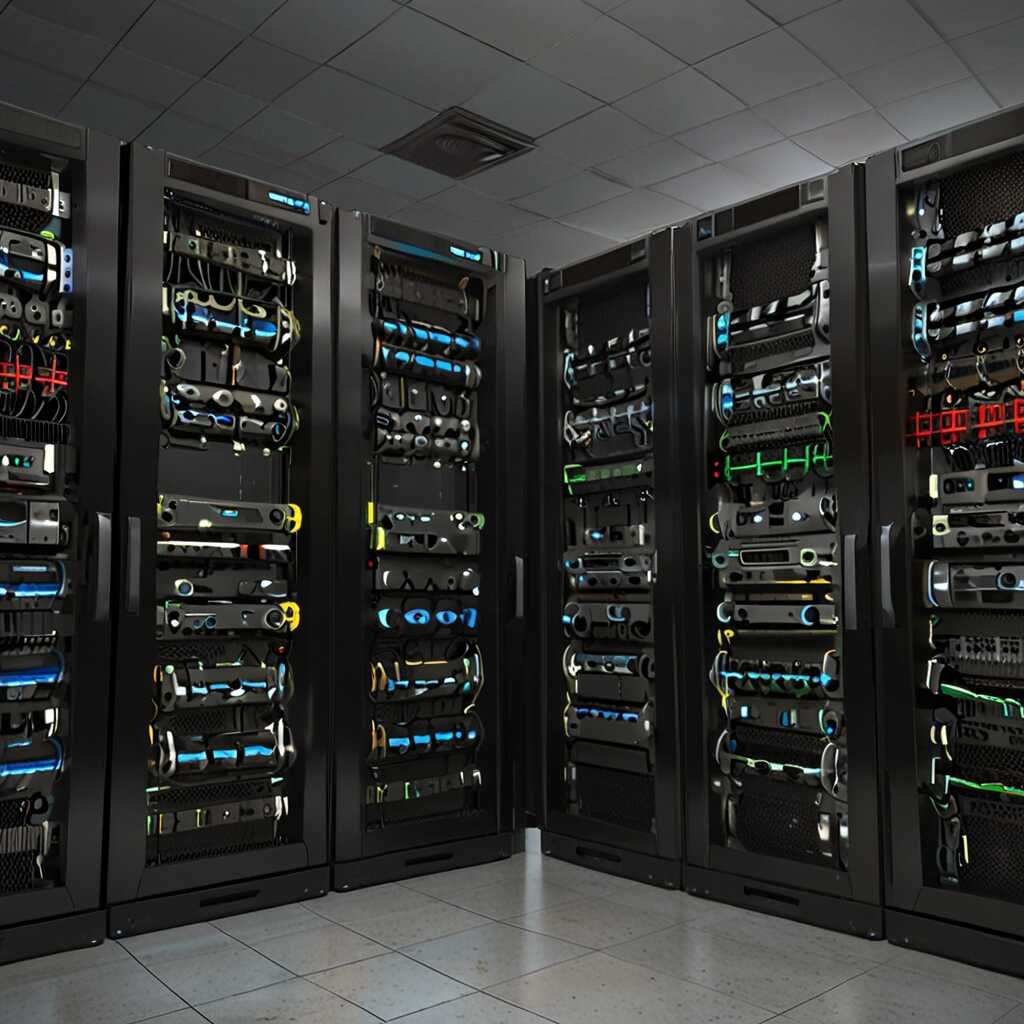
Standard hosting services typically offer modern operating systems, current software versions, and standardized configurations optimized for contemporary applications. These solutions work well for applications built with current technologies but fail to support legacy requirements. Custom hosting solutions provide flexibility to run older operating systems, maintain deprecated software versions, and configure environments matching legacy specifications. The choice between standard and custom hosting depends on application requirements, with legacy systems almost always requiring custom solutions despite higher costs and complexity.
Cost-Benefit Analysis of Custom Solutions
Custom hosting for legacy applications typically costs more than standard hosting due to specialized infrastructure, expert support requirements, and additional security measures. Monthly costs range from a few hundred dollars for basic legacy VPS configurations to thousands for dedicated servers with full management. However, these costs often prove lower than application modernization projects, which can require substantial development effort and business disruption. Organizations should compare custom hosting costs against modernization expenses, considering factors like remaining application lifespan, business criticality, and available IT resources.
Understanding Total Cost of Ownership
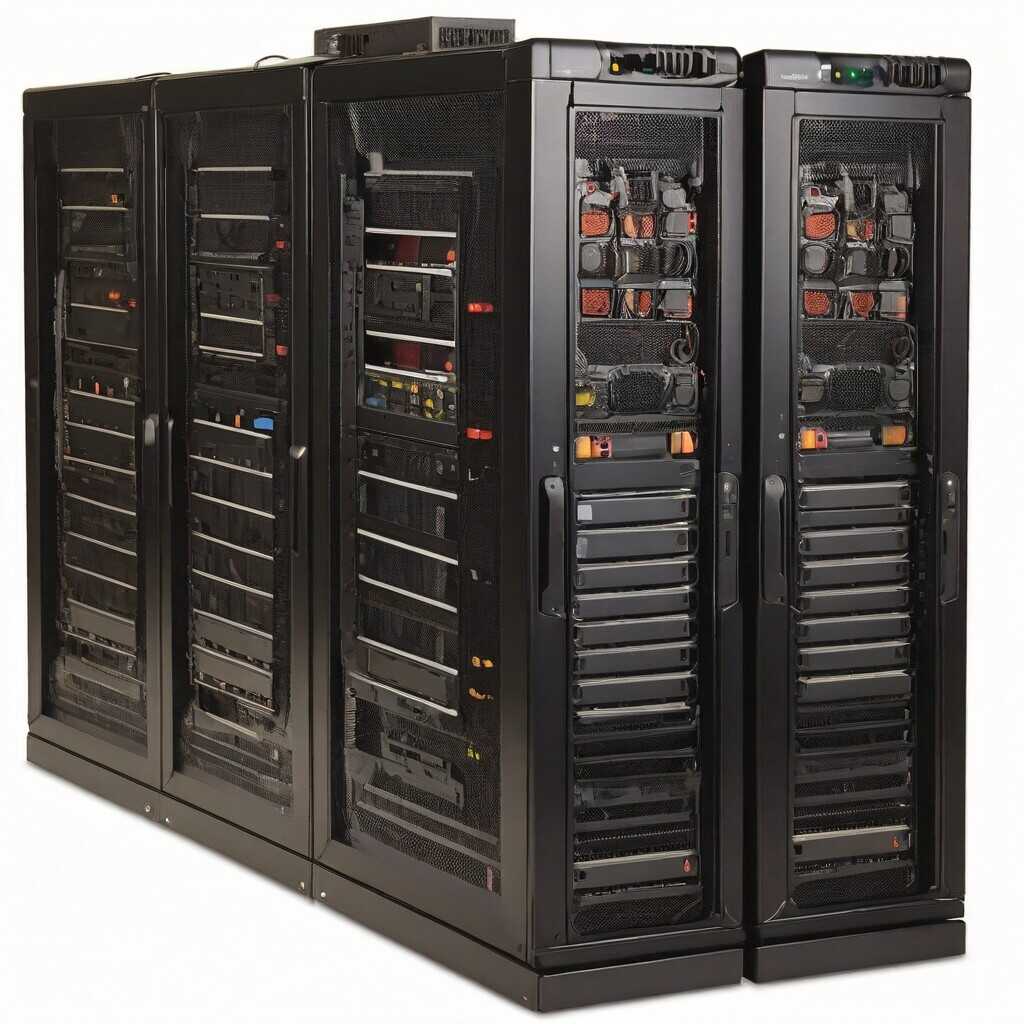
The total cost of custom hosting extends beyond monthly hosting fees to include several additional factors. Initial setup costs cover environment configuration, application migration, and testing procedures. Ongoing maintenance includes security updates for supported components, monitoring and alerting setup, and regular backup verification. Support costs vary based on required expertise levels and response time requirements. Hidden costs might include additional licensing for older software versions, specialized monitoring tools, or compliance audits. Organizations should budget for these comprehensive costs when planning legacy hosting implementations.
Strategies for Cost Optimization
Several strategies can help optimize custom hosting costs while maintaining required functionality. Consolidating multiple legacy applications onto shared infrastructure reduces per-application costs. Implementing automated monitoring and self-service capabilities decreases support burden. Negotiating multi-year contracts often provides discount opportunities. Some organizations use hybrid approaches, keeping only critical legacy components in custom hosting while modernizing peripheral functions. Regular reviews help identify optimization opportunities as requirements change or new technologies emerge that better support legacy needs.

Building Scalable Legacy Hosting Architectures
Scalability in legacy hosting requires different approaches than modern cloud-native applications. Vertical scaling (adding resources to existing servers) often works better than horizontal scaling for legacy applications not designed for distributed architectures. Custom hosting providers offer various scaling options including resource reservation for predictable workloads, burst capacity for periodic high demand, and gradual migration paths to more scalable architectures. Load balancing legacy applications requires careful configuration to handle session state and application-specific requirements.
Future-Proofing Legacy Investments
While legacy applications by definition use older technologies, custom hosting solutions should still consider future needs. Providers offering modernization pathways help organizations gradually update applications while maintaining functionality. Containerization technologies enable better resource utilization and easier migration between hosting environments. API gateway services can expose legacy functionality to modern applications. Documentation and knowledge transfer become crucial as expertise in legacy technologies becomes scarcer. Organizations should choose providers demonstrating commitment to long-term legacy support.
Establishing Effective Provider Partnerships
Successful custom hosting relationships require clear communication about legacy application requirements and constraints. Organizations should document application dependencies, performance expectations, and critical business processes. Regular reviews help identify emerging issues before they impact operations. Escalation procedures must account for the specialized nature of legacy support. Joint troubleshooting sessions build provider familiarity with specific application behaviors. Some organizations assign dedicated account managers familiar with their legacy environment to ensure continuity.
Measuring Provider Performance
Key performance indicators for custom hosting providers extend beyond standard uptime metrics. Mean time to resolution for legacy-specific issues indicates provider expertise. Successful migration completion rates show capability in handling complex transitions. Proactive identification of potential issues demonstrates deep environment understanding. Customer satisfaction scores from other legacy hosting clients provide valuable perspective. Regular performance reviews using these metrics help ensure providers maintain service quality and identify improvement opportunities. Documentation quality and knowledge base completeness also indicate provider commitment to legacy support excellence.